PRAIRIE & GARDEN
Prairie Restoration
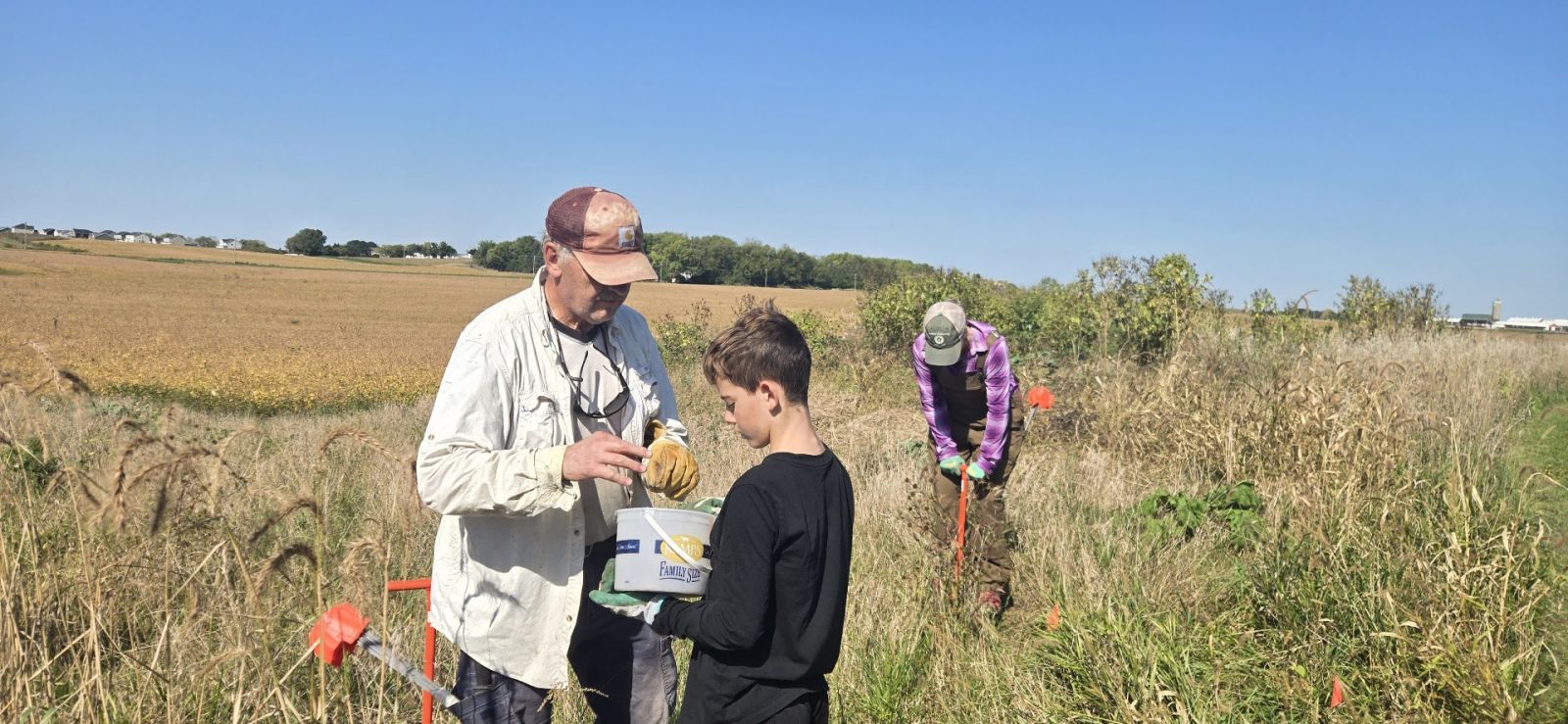
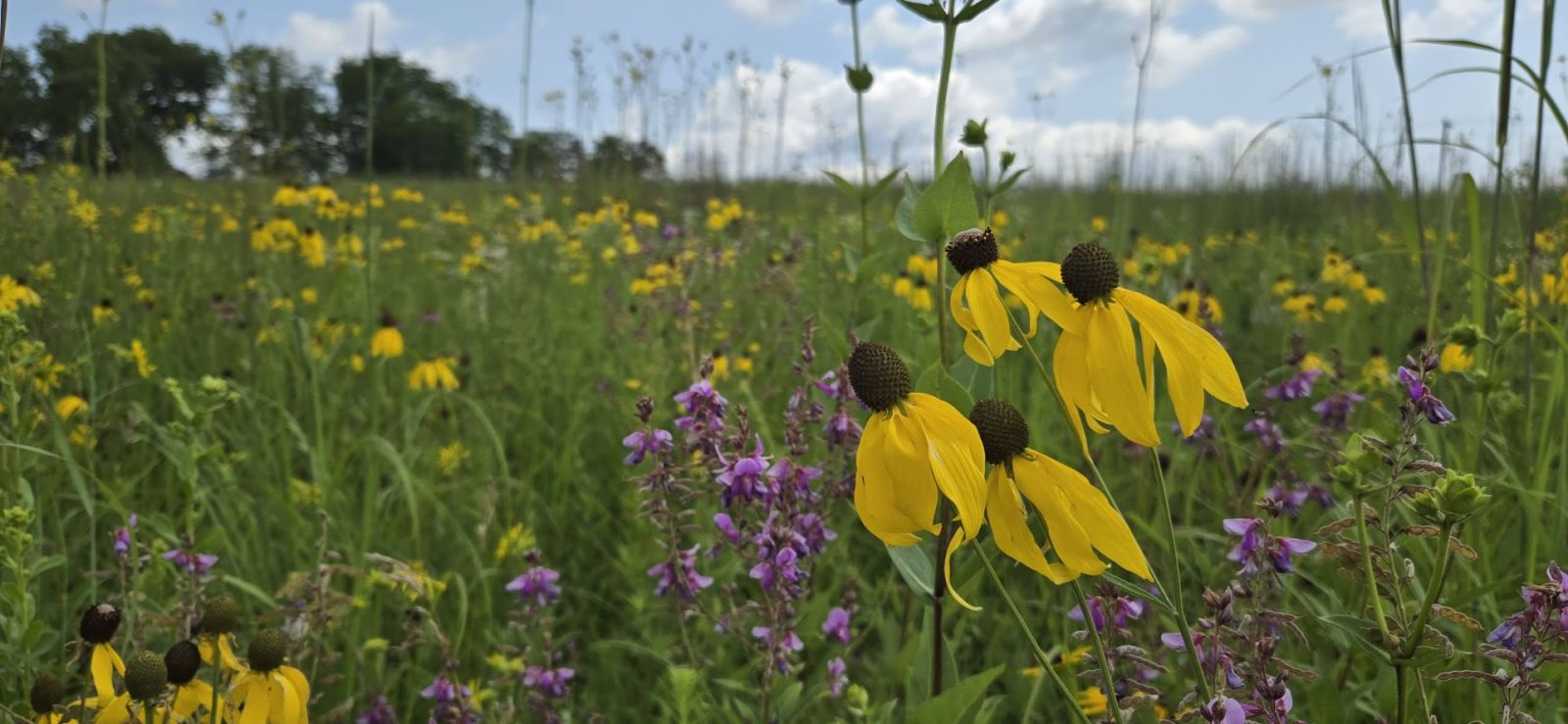
The Schumacher Prairie restoration was initiated in the 1980s with the foresight of Marcella Pendall Schumacher, the knowledge and assistance of Wayne Pauley, Dane County Parks Naturalist, and many determined volunteers. The efforts continue today to maintain the native prairie ecosystem and expand the oak savanna woodland, employing manual hand tools, chainsaws, and a prescribed fire regime to reduce woody shrub encroachment and promote native plant germination. In collaboration with Dane County Parks, we are in the process of converting more farmland into prairie, expanding our restored prairie from 16 to 61 acres!
"We enjoy our walks in the prairie and appreciate all the work you do to preserve nature and the farm." -Cathy & John Attig
Prairie Inclusivity Program
Our goal is to share the wonder of this remarkable ecosystem to community members who may not be able to access traditional park programming due to language barriers, wheelchair use, cognitive differences, or other mobility needs.
With the support of dedicated volunteers, outreach partners, and a UTV that allows easier access into the prairie, we coordinate visits that are adaptable for each group. If you are interested in learning more about how we can accomodate your group, please email Amanda at events.schumacher@gmail.com.
Prescribed Burns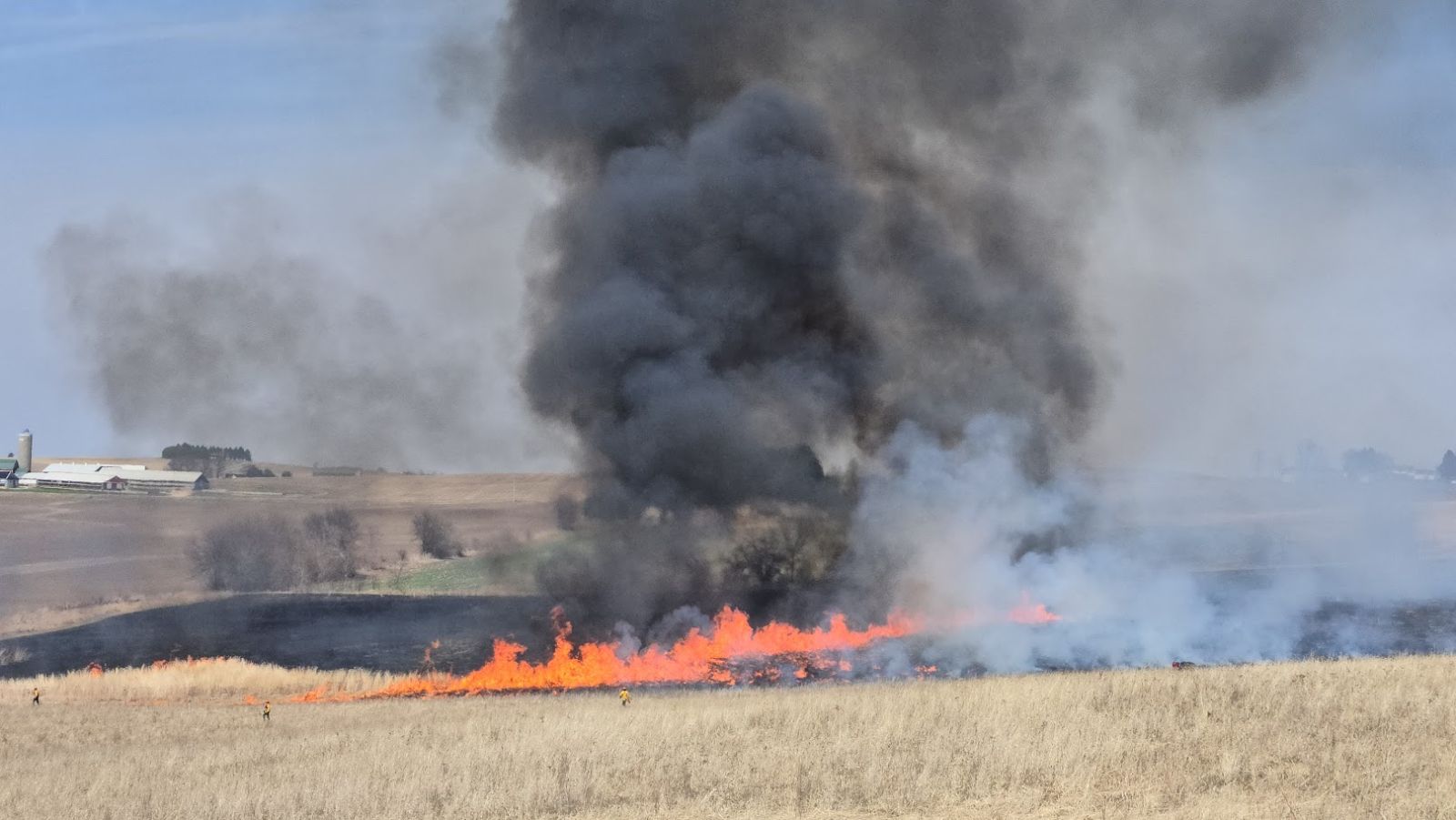
Before modern settlement, much of this landscape was native prairie. Restoring it, however, is not as simple as letting it grow back on its own. Birds and weather carry seeds of invasive plants (like those from residential landscaping) into prairies where they don't belong. Unlike native prairie plants, which develop deep root systems that anchor and nourish the soil, many invasive species have shallow roots and can quickly outcompete what we’re trying to restore.
To support the health of the prairie, prescribed burns are carefully conducted every few years. Fire helps reduce invasive growth while encouraging native plants to return, strengthening the ecosystem and allowing the prairie to thrive for pollinators, wildlife, and people to enjoy! Head to Dane County Park's website here to learn more about training and volunteering for future burns.
Heirloom Garden
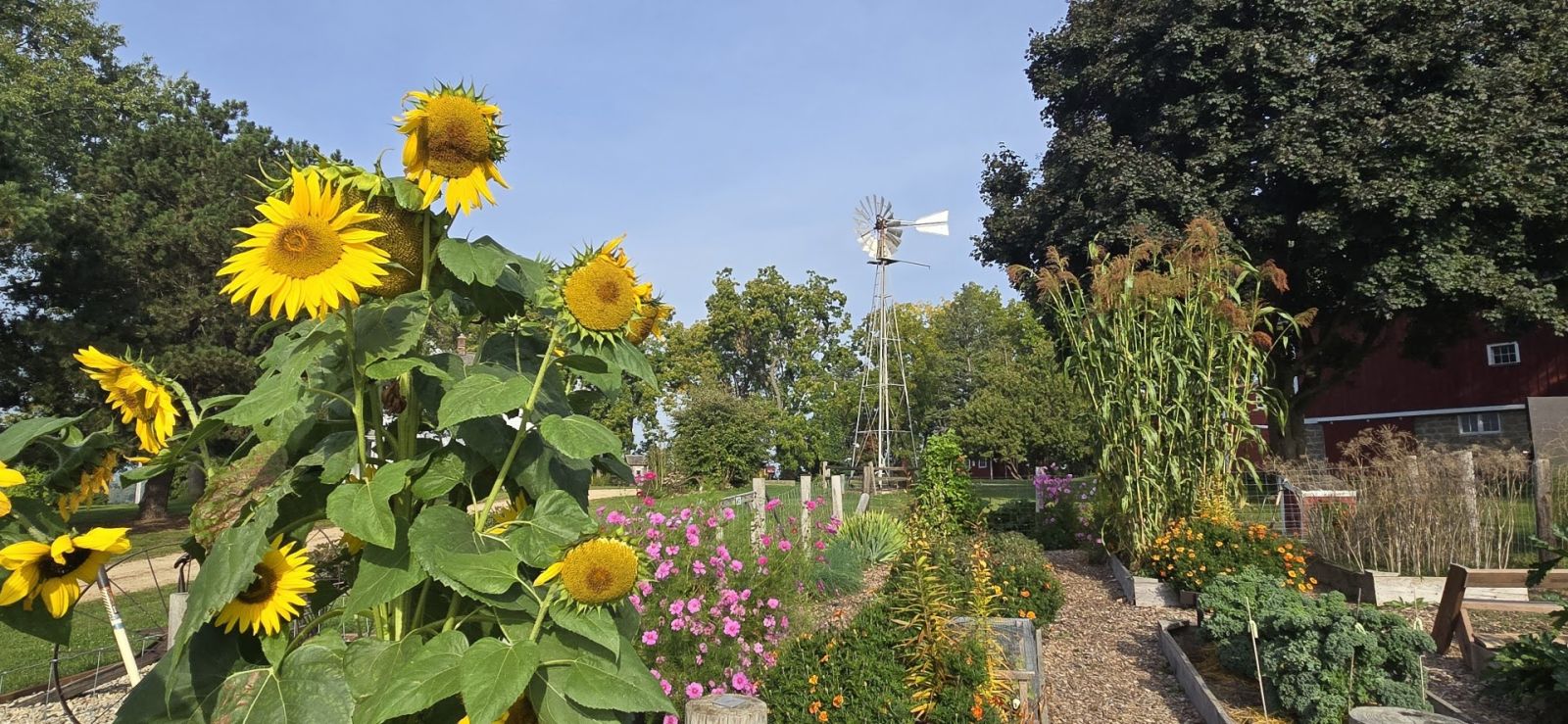
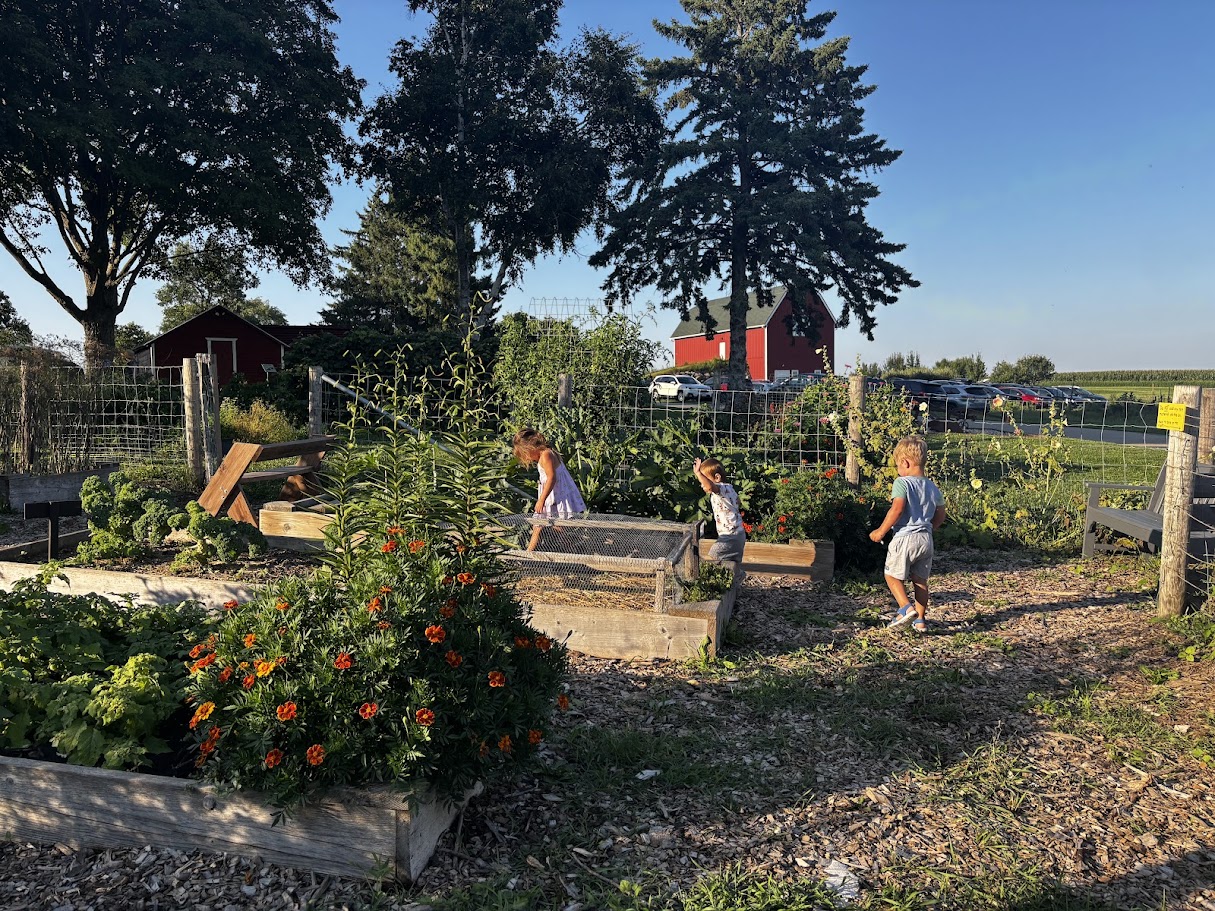
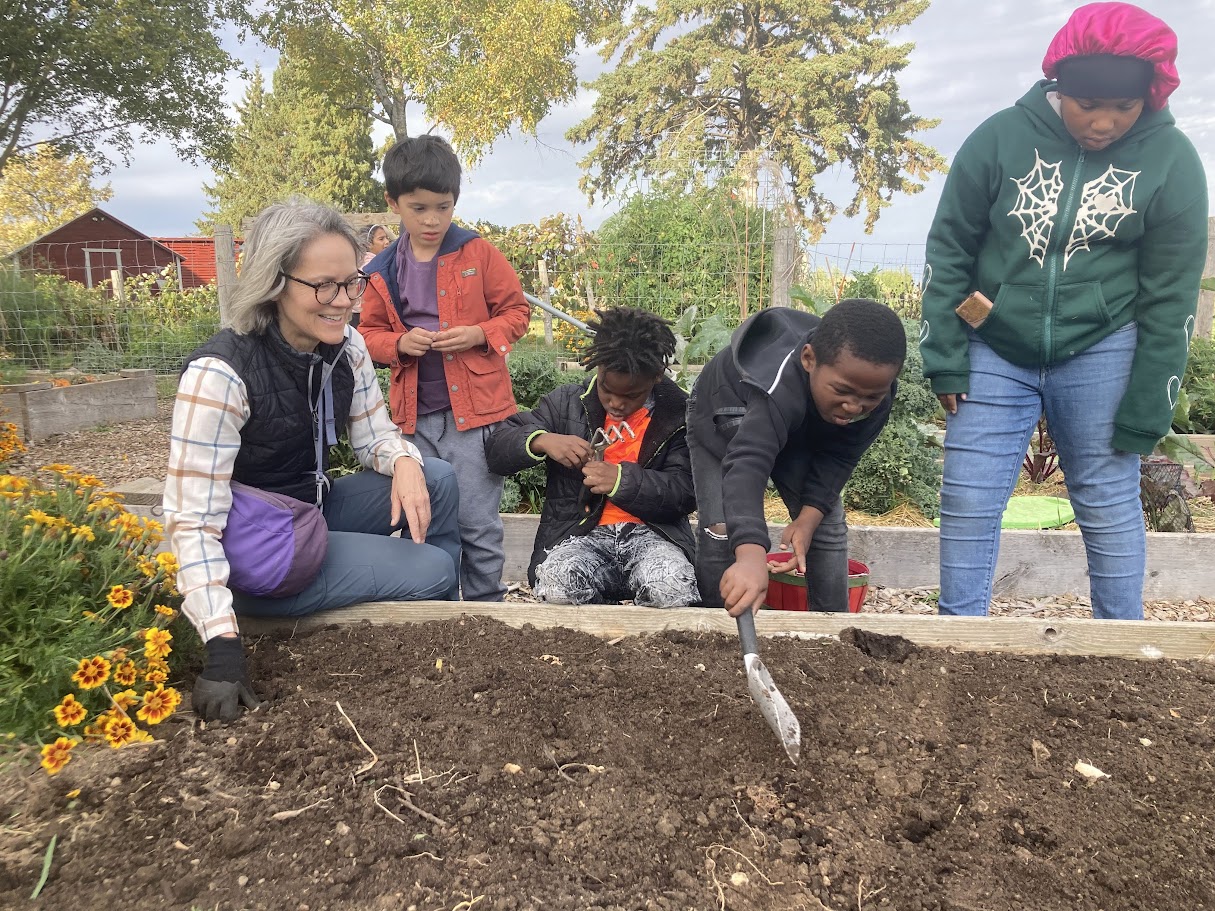 Schumacher Farm Park's Heirloom garden is planted with varieties typical of those planted in a farm garden of the 1920s and 1930s. An heirloom plant is a cultivar that was commonly grown during earlier periods in human history, from seeds that have been passed down through generations, but which is not used in modern large-scale agriculture. Heirloom varieties fell out of use as hybrid, more "modern" varieties were introduced. They are usually hardy, flavorful and disease-resistant. Our seeds comeprimarily from the Seed Savers Exchange® and date from 1840 to 1940. The garden also features a strawberry patch, grape vines, rhubarb, asparagus, raspberry and currant bushes. No herbicides or pesticides are used.
Students from Waunakee High School's horticulture class get hands-on experience working in the garden. In early spring, students start seeds in the school’s state-of-the-art greenhouse and nurture the seedlings until planting time. Local service groups also help in the garden with various maintenance tasks throughout the year. Garden produce is utilized for program purposes, available for sampling by visitors and volunteers, and also donated to the Waunakee Food Pantry.
Interested in helping to maintain our prairie or garden? Please fill out our volunteer intake form here to get alerted of future volunteer opportunities.